
🕐12 min read
In This Article
Bizarre Holidays & Events Calendar
365 weird, wonderful, and obscure holidays — perfect for content creators and conversation starters.
- January 9th: National Static Electricity Day & The Art of the Spark
- February 17th: Random Acts of Kindness Day & The Covert Good Deed Party
- April 14th: International Moment of Laughter Day & The Structured Giggle
- May 3rd: National Two Different Colored Shoes Day & The Fashion Anarchy Potluck
- June 21st: National Daylight Appreciation Day (The Summer Solstice)
- July 6th: International Kissing Day & The Platonic Affection Lab
- August 13th>International Left-Handers Day & The Southpaw Soiree
- September 19th: International Talk Like a Pirate Day & The Themed Escape Room
- October 30th>National Checklist Day & The Pre-Halloween Prep Party
- December 4th: National Sock Day & The Lost Sock Memorial
Does the thought of planning your social calendar for 2026 fill you with the same dread as a dentist appointment? What if you could replace predictable dinner parties with a celebration of lost socks or an international day dedicated to the humble kazoo? The world’s official and unofficial calendars are brimming with bizarre, beautiful, and frankly baffling holidays that offer a direct line to more memorable gatherings. I’ve spent years mapping these oddities into my own Bullet Journal, and I can attest that planning your year around them doesn’t just add novelty—it forges genuine connection through shared, delightful absurdity. Forget generic national holidays; we’re talking about a curated list of ten specific, verifiable dates in 2026 that will give you the perfect excuse to text your friends something other than “wanna hang out?”
Disclosure: This post contains affiliate links. If you click through and make a purchase, we may earn a small commission at no extra cost to you. Thank you for supporting this site!
10 min read
In This Article
- January 9th: National Static Electricity Day & The Art of the Spark
- February 17th: Random Acts of Kindness Day & The Covert Good Deed Party
- April 14th: International Moment of Laughter Day & The Structured Giggle
- May 3rd: National Two Different Colored Shoes Day & The Fashion Anarchy Potluck
- June 21st: National Daylight Appreciation Day (The Summer Solstice)
- July 6th: International Kissing Day & The Platonic Affection Lab
- August 13th>International Left-Handers Day & The Southpaw Soiree
- September 19th: International Talk Like a Pirate Day & The Themed Escape Room
- October 30th>National Checklist Day & The Pre-Halloween Prep Party
- December 4th: National Sock Day & The Lost Sock Memorial
Key Takeaways
- January 9th: National Static Electricity Day & The Art of the Spark
- February 17th: Random Acts of Kindness Day & The Covert Good Deed Party
- April 14th: International Moment of Laughter Day & The Structured Giggle
- May 3rd: National Two Different Colored Shoes Day & The Fashion Anarchy Potluck
January 9th: National Static Electricity Day & The Art of the Spark
Kick off the new year not with a fizzle, but with a literal spark. National Static Electricity Day on January 9th is your golden ticket to a party that crackles with potential. The holiday’s origins are as murky as the science behind why your socks cling to your sweater, but it’s widely recognized by sources like the National Day Calendar. For your 2026 soirée, skip the small talk and head straight for hands-on experiments. I once hosted a “Static Social” where the main event involved rubbing balloons on hair to pick up confetti—a simple activity that had a room of adults laughing like kids for 45 minutes straight.
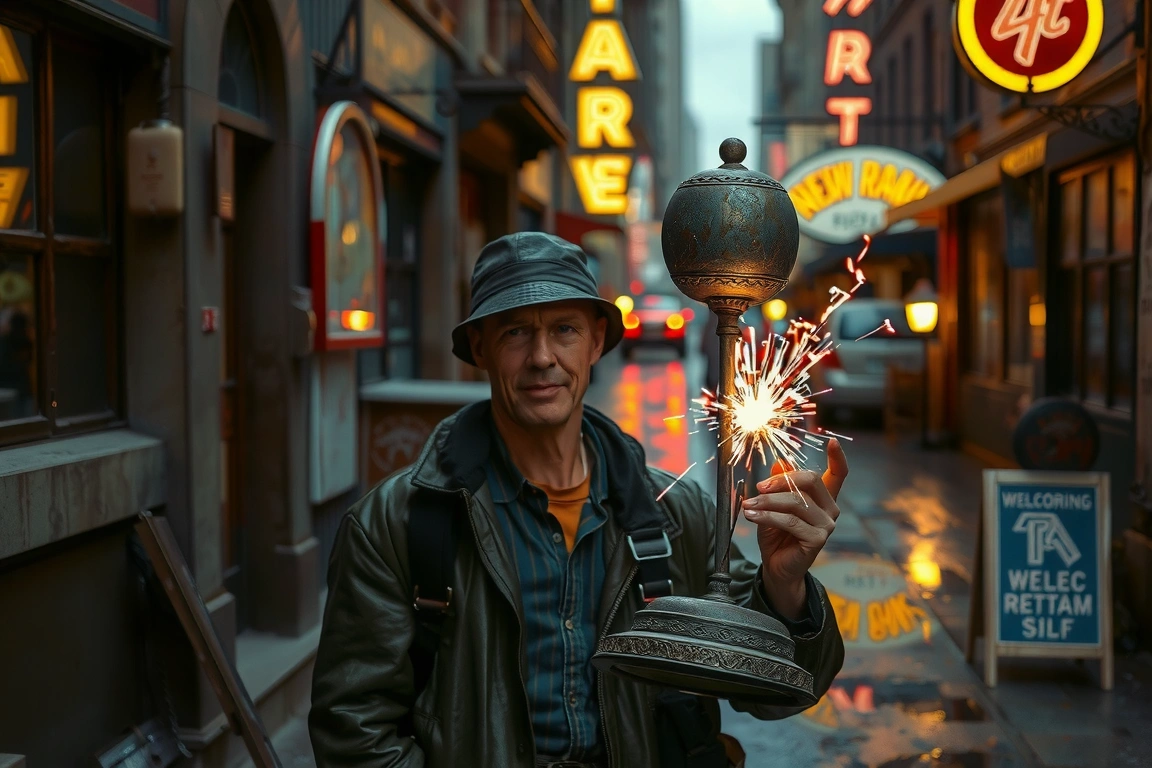
The real genius here is the built-in conversation starter. You can explain the Triboelectric Effect (the real scientific principle where materials become electrically charged after contact) while demonstrating it with a PVC pipe and some wool. Serve snacks that add to the theme: foods that crackle (like rice cereal treats or pop rocks) or drinks with a fizzy top. The key is low-cost, high-engagement science. A pack of 100 balloons costs about $8, and a bag of confetti is $3. You’re investing roughly $11 for an experience your friends will text you about in July. It transforms a dull winter evening into a spectacle of miniature lightning.
It transforms a dull winter evening into a spectacle of miniature lightning.
February 17th: Random Acts of Kindness Day & The Covert Good Deed Party
Imagine a party where the main activity is secretly making someone else’s day. Random Acts of Kindness Day, observed on February 17th and promoted by the Random Acts of Kindness Foundation, provides the perfect framework. Instead of a standard gathering, host a “Kindness Mission” party. Give each guest a $5 budget and a two-hour window to execute a covert act of goodwill in your neighborhood. One guest might tape a bag of microwave popcorn to a Redbox machine with a note; another could pay for the coffee of the person behind them at a drive-thru.
The magic happens during the debrief. When everyone reconvenes, you share stories not about yourselves, but about the reactions you witnessed—the confused smile, the double-take, the moment of connection. This format bypasses superficial chat and creates immediate, profound bonding. In my experience, the post-mission conversation is consistently the most heartfelt and engaging of any party I’ve thrown. It leverages a documented psychological principle: performing acts of kindness boosts the giver’s happiness, creating a room full of people on a genuine, shared high. You’re not just hosting a party; you’re facilitating a collective mood lift with measurable social benefits.
Enjoy strange history?
Free weekly — no spam, unsubscribe anytime.
April 14th: International Moment of Laughter Day & The Structured Giggle
Who needs a comedian when you have a stopwatch? International Moment of Laughter Day falls on April 14th, a date championed by humor consultants aiming to highlight laughter’s health benefits. The premise is simple: at a specific time, everyone on the planet is encouraged to laugh for one full minute. Your 2026 social play is to build an entire event around this 60-second window. Start the evening by exploring different laughter styles: the snort, the belly laugh, the silent shoulder-shake. Play clips of iconic laugh tracks from 1970s sitcoms.
Then, synchronize your watches for the main event. The forced, intentional laughter almost always collapses into real, uncontrollable giggles—a phenomenon studied in laughter yoga sessions globally. Follow it with a potluck where every dish must be named after a pun (e.g., “Guac & Roll” or “Bean There, Dip That”). This holiday works because it gives people permission to be silly within a defined structure, removing the pressure to be “funny.” It acknowledges the awkwardness head-on and, in doing so, dissolves it. The result is a uniquely joyful and physically energizing gathering that relies on participation, not performance.
The result is a uniquely joyful and physically energizing gathering that relies on participation, not performance.
May 3rd: National Two Different Colored Shoes Day & The Fashion Anarchy Potluck
On May 3rd, the fashion police take the day off. National Two Different Colored Shoes Day is a real, if delightfully niche, holiday that encourages sartorial rebellion. Your social strategy is a “Mismatch Mixer.” The invitation is clear: attendees must arrive wearing two deliberately non-matching shoes. This isn’t just a dress code; it’s an instant icebreaker. The moment someone walks in, their footwear tells a story and begs a question. I’ve done this, and the conversations start in the doorway—”Oh, I almost wore a sneaker and a loafer too!” or “Where did you even find a single orange cowboy boot?”
Structure the party around complementary asymmetry. Host a “Split Decision” potluck where every dish has two distinct components (like a taco bar with both hard and soft shells, or a sundae bar with two completely different sauce options). Play music that genre-hops every other song. The entire event is a lesson in embracing imperfection and celebrating individual quirkiness. It creates a low-stakes environment where being “put together” is actively discouraged, making everyone feel immediately more relaxed and authentic. It’s a holiday that literally levels the playing field, one odd shoe at a time.
June 21st: National Daylight Appreciation Day (The Summer Solstice)
While the Summer Solstice is a well-known astronomical event, framing it as National Daylight Appreciation Day gives your gathering a focused, almost poetic purpose. On June 21, 2026, the Northern Hemisphere will enjoy its longest day—approximately 15 hours and 30 minutes of daylight in mid-latitudes. Don’t just have a BBQ; host a “Sunlight Salute.” Start the event in the late afternoon and plan activities that track the sun’s journey: solar printing using sun-sensitive paper (a kit is about $25), making sundials with paper plates and pencils, or simply timing how long it takes to melt a chocolate bar on a tin foil sheet.
The crescendo is a silent, group observation of the sunset. It sounds simple, but sharing that daily phenomenon with intentionality transforms it. Follow the last light with a transition into a firefly or candlelit space. This holiday taps into a deep, shared human rhythm. You’re not just throwing a party; you’re orchestrating a collective experience of a planetary cycle. It connects your social circle to something vast and beautiful, fostering a quiet, reflective camaraderie that’s rare at typical loud, crowded summer parties. It’s appreciation, literally baked into the schedule.
It’s appreciation, literally baked into the schedule.
July 6th: International Kissing Day & The Platonic Affection Lab
Before you panic, International Kissing Day on July 6th—recognized globally—is not a mandate for awkward romantic encounters. Reframe it as a celebration of all forms of affectionate gesture. Host a “Platonic Appreciation Lab.” The activity centerpiece could be a tutorial on giving the perfect, friendly cheek kiss (practiced on one’s own hand), or learning the specific number of kisses for greetings in different cultures (it’s three in Belgium, often two in France). You can have a station for writing compliments on sticky notes to place on a “Kissing Booth” backdrop.
The goal is to destigmatize and playfully explore the language of platonic affection in a safe, consensual, and humorous way. Serve foods that are pairs: mini sliders, twin cherries, cheese and crackers. This approach acknowledges the holiday’s theme while completely sidestepping any potential discomfort, making it a surprisingly thoughtful event for a group of friends. It opens up conversations about how we express care, which is a far more interesting topic than the weather. You’re using the holiday as a lens to examine and strengthen the bonds you already have.
August 13th>International Left-Handers Day & The Southpaw Soiree
For approximately 10% of the population, August 13th is a day of vindication. International Left-Handers Day, established in 1992 by the Left-Handers Club, is a real celebration of a neurological minority. Your party idea: a “Right-Hander’s Challenge.” Invite both lefties and righties, but for the first hour, all activities must be done with the non-dominant hand. Try signing your name, using scissors (specially designed left-handed scissors cost about $12), or dealing cards. The frustration is hilarious and deeply empathetic.
Decorate with famous left-handed portraits (Leonardo da Vinci, Oprah Winfrey, Barack Obama). Serve food that’s ambidextrous-friendly, like finger foods or wraps. The power of this holiday is its ability to create a shared, physical experience of a minor daily struggle, fostering instant empathy and inside jokes. Right-handed guests gain a new appreciation for a world designed against their friends, and left-handed guests get a rare moment of collective recognition. It turns a biological trait into a fun, unifying social experiment.
September 19th: International Talk Like a Pirate Day & The Themed Escape Room
Arrr, you ready for a social experiment? International Talk Like a Pirate Day on September 19th is the internet’s gift to party planners, co-created by John Baur and Mark Summers in 1995. The mistake is to make it just about costumes. The pro move is to use the theme as a binding narrative for a collaborative game. Don’t just say “ahoy”; build a living-room escape room with a pirate treasure hunt. Create a map with UV ink (a pen is $6), hide “clues” in bottles, and have puzzles that require speaking in pirate slang to solve.
The themed framework liberates people. They’re not being silly as themselves; they’re being silly in character. This dramatically lowers social anxiety. Serve “grog” (ginger beer and lime) and hardtack biscuits. The shared mission—finding the “treasure” (a box of chocolate coins)—creates a team dynamic that typical mixers lack. It’s immersive, interactive, and leverages a pre-existing, silly cultural script that everyone can access without preparation. You’re providing the set and the script for a memorable collaborative story.
October 30th>National Checklist Day & The Pre-Halloween Prep Party
The day before Halloween is pure, unadulterated anticipation. National Checklist Day, on October 30th, is the organizational enthusiast’s dream holiday. Instead of another costume party, host a “Halloween Prep Headquarters.” Gather friends to finalize their plans with military precision. Stations can include last-minute costume repairs (sewing kit, hot glue guns), pumpkin carving template tracing, candy sorting for trade bait, and plotting trick-or-treating routes for those with kids.
This party works because it channels nervous energy into productive, communal fun. It’s a party with a clear, useful outcome for everyone. Play spooky ambient music, serve “brain food” snacks, and celebrate the satisfaction of checking items off a list together. It transforms the often-stressful pre-holiday scramble into a supportive, fun ritual. You’re not just hanging out; you’re being a tactical asset to your friends’ lives, which is arguably the highest form of social bonding. The shared goal creates a unique sense of camaraderie and collective readiness.
December 4th: National Sock Day & The Lost Sock Memorial
Every laundry load has its casualties. National Sock Day on December 4th, promoted by sock retailers, can be morphed into a surprisingly profound and funny year-end event: The Lost Sock Memorial. Ask guests to bring a single, lonely sock they’ve given up on reuniting. Create a small “memorial” area where people can lay their sock to rest, perhaps saying a few words about where its partner might be (“Last seen near the dryer vent, 2019…”).
Then, use the orphaned socks for crafts: turn them into small stuffed animals, dusting mitts, or phone cozies. This holiday is a masterclass in finding humor in universal, minor grief. It’s a collective catharsis for a tiny, nagging loss we all share. Serve sock-shaped cookies or layered “striped” drinks. It’s a whimsical, reflective way to acknowledge the passage of time and the things we lose along the way, all while creating something new from the remnants. It ends the year on a note of creative resilience and shared, gentle humor.
Transforming your 2026 social life isn’t about grand gestures; it’s about intentional novelty. These ten dates provide a ready-made scaffold for connection that feels fresh, engaging, and deeply human. My concrete advice? First, take five minutes right now to pencil in just three of these dates in your 2026 planner—the ones that made you smirk. Second, when you invite people, lean into the weirdness in your description; it self-selects for the right, adventurous guests. Finally, don’t aim for perfection. The beauty of a “Static Electricity Day” party is in the failed experiments and spontaneous laughter. These holidays give you and your friends a shared story to tell, and that’s a social currency that never depreciates.
FAQ
Where do these weird holidays actually come from?
They spring from a mix of sources: some are officially registered with entities like the National Day Calendar (often by industry groups or individuals paying a fee), others are grassroots internet phenomena (like Talk Like a Pirate Day), and a few stem from proclamations by enthusiasts or organizations. Their “realness” isn’t in governmental decree, but in their adoption and celebration by communities. Always verify a date across multiple cultural or hobbyist websites before planning your gala.
Won’t people think these themed parties are too cheesy or childish?
The secret is full commitment and a wink of self-awareness. If you invite people to “International Moment of Laughter Day” with a straight-faced, academic description of its health benefits, the inherent silliness becomes an intellectual curiosity to explore together, not a childish gimmick. The theme is a tool to lower social barriers, not an end in itself. Frame it as a social experiment or a cultural deep-dive, and you’ll attract curious minds.
How can I adapt these for a smaller gathering or a date night?
Absolutely. The principles scale down perfectly. For Random Acts of Kindness Day, make it a duo mission with your partner. For Two Different Colored Shoes Day, make it a quirky photo walk for just the two of you. For National Sock Day, have a craft night turning lonely socks into pet toys. The core idea—using a unique, shared focal point to create a collaborative experience—works just as powerfully for two as it does for twenty.
Small changes, real momentum
Get practical guides and templates you’ll actually use — a few thoughtful emails a month.
You Might Also Like
Every Date Has a Story
The strange, forgotten, and world-changing events behind every day on the calendar. Delivered weekly.
No spam. Unsubscribe anytime.
